
Do pre-engineered buildings really speed up work, reduce construction costs, and cut out the headaches? In short, yes. They assure short build cycles, fixed budget, and guaranteed performance. That is why they have built a reputation for being the first choice in warehouses, factories, workshops, and commercial buildings.
Let us analyze the success factors in great depth and how to maximize our return on investment.
Why Pre-Engineered Buildings Work So Well
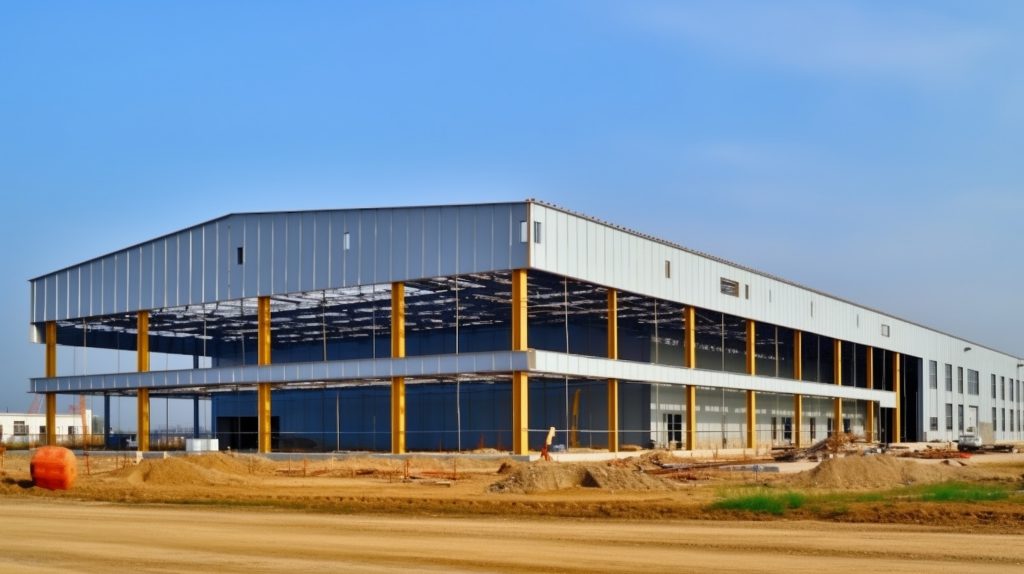
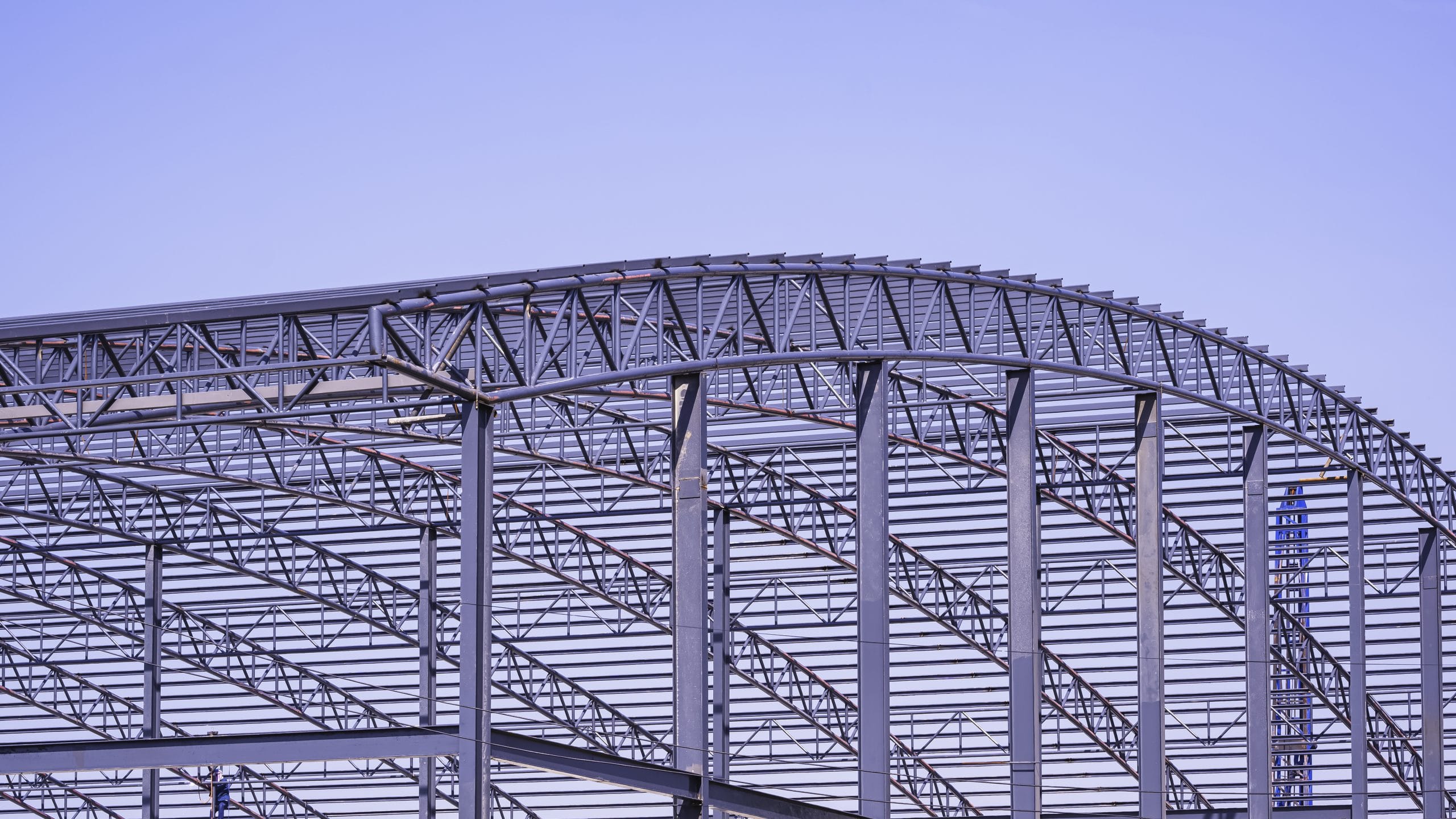
Construction is slow because most tasks are present on site—cutting, welding, setting, and solving problems in real-time. In contrast, preengineered buildings have much of the entire building fabricated in a controlled environment. Accordingly, crews can begin erecting from the components that arrive without further surprises.
Here are the seven major reasons businesses favor this approach.
1. Construction Moves Much Faster
Speed is the number-one reason people switch to pre-engineered systems. Because the structure arrives ready to assemble, the onsite timeline shrinks dramatically. Crews spend less time handling raw materials and more time putting the building together.
For companies racing to expand operations—whether it’s adding a warehouse, scaling manufacturing capacity, or opening a new distribution center—weeks saved on construction can make a real financial difference. Many pre engineered steel buildings finish 30–50% faster than conventional builds.
2. Total Project Costs Stay Lower
Pre-engineering standardizes many parts of the structure, which allows steel building manufacturers to produce components more efficiently and with far less waste. That efficiency trickles down to you in the form of lower material and labor costs.
Traditional projects often budget for contingencies because unforeseen site issues or design changes are almost guaranteed. With pre-engineered systems, most of the engineering and precision work happens before fabrication, so costs are clearer, earlier, and more predictable.
3. Factory-Controlled Quality Means Greater Reliability
Each event is produced-off on-site and maintained in constant conditions controlled beer for all sections of the beams, frames, panels, and connections. The workplace cannot produce that level of quality control, and thus it must be left as it is.
This is particularly pertinent in industrial steel buildings, where performance under heavy loads or long spans means the difference between passing standards. Every building is engineered to meet local codes and climate demands, and you won’t have to rely on guesswork or last-minute additions. The net result is an increase in strength and reliability into a much longer life for the building.
4. Flexibility Without the Design Limits
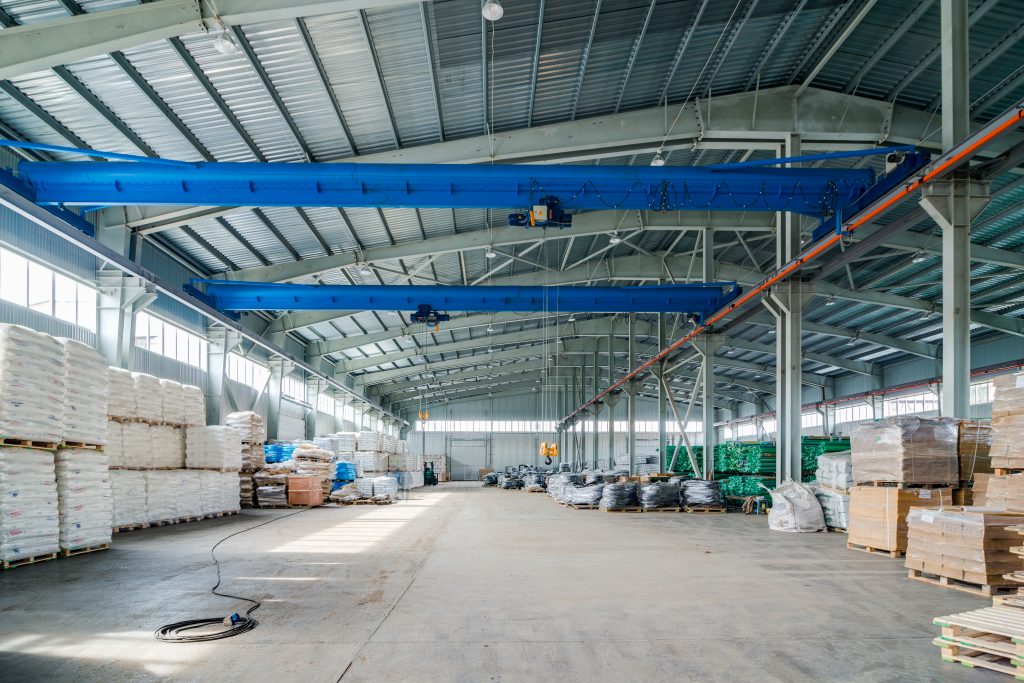
People used to believe that all pre-engineered buildings looked the same. Not anymore. Today’s systems allow multi-mezzanine levels, sophisticated crane support, high ceiling clear spans for equipment, and all other special features. It allows the very open designs that even now so many end-users desire.
Another thing to reckon with: extensions are forever simpler. What many businesses end up doing is constructing their first structure with the idea of future growth in mind and then add on as few disruptions as possible well into the future.
5. Better Long-Term Energy Efficiency
Because the whole envelope of the building is designed as a single system, energy performance is comparatively more uniform. Insulation fits properly, roof panels lock tightly together, and thermal details are painstakingly designed and not left for improvisation.
For firms located in hotter climates or with high cooling costs, these details can significantly impact monthly bills. Over the life of a building, that can amount to the saving of thousands of dollars in energy costs.
6. Lower Maintenance Over the Years
Steel buildings have fewer long-term maintenance issues compared to traditional materials. They resist pests, moisture, mold, and many forms of environmental damage. Factory-applied coatings and galvanization extend the life of the structure and reduce repainting or repair needs.
Less maintenance means fewer operational interruptions—especially important for remote or high-duty facilities.
7. Clearer Schedules and Fewer Delays
When a project is engineered upfront, surprises become rare. Weather delays, onsite improvisation, and last-minute design shifts all decrease dramatically.
Pre-engineered systems give builders and business owners a clearer picture of the timeline. Teams know what’s coming, what fits where, and when each phase will be completed. That predictability helps companies plan inventory moves, staffing, and launch dates with a lot more confidence.
Common Problems to Watch Out For :
Even with all the advantages, projects can run into avoidable issues. Some of the most common include:
Skipping proper site preparation
A solid, well-planned foundation and good drainage are crucial. A perfect steel building can’t fix a poorly prepared site.
Picking a supplier based on price alone
Cheaper doesn’t always mean better. Some suppliers cut corners on steel thickness, finishes, or engineering loads.
Poor coordination between designers and contractors
If teams don’t communicate early, bolt patterns, openings, or foundation dimensions may not match what arrives on the truck.
Not planning for future expansions
If there’s even a chance you’ll expand later, plan for it now. It costs little to design for future growth—and a lot more to retrofit later.
A Practical Step-by-Step Framework for a Smooth Pre-Engineered Project
1. Start with the building’s core purpose
Be clear on what the space must support—production lines, inventory, machinery, storage, retail customers, or a mix. This drives the design.
2. Choose a trusted steel building manufacturer
Review credentials, sample drawings, coatings, panel options, and engineering standards—not just pricing.
3. Finalize detailed engineering early
Make sure openings, loads, accessories, and insulation are all part of the initial plan.
4. Use the manufacturing window wisely
While your building is being fabricated, get the foundation, utilities, and site prep ready.
5. Bring the erection team in early
Share all drawings and schedules so nothing is left to the last second.
6. Inspect delivered components
Check for damage, verify counts, and store parts correctly to avoid corrosion or warping.
7. Keep an annual maintenance routine
A quick yearly check of fasteners, gutters, and coatings keeps the building performing at its best.
How This Approach Helps Businesses in the Real World
Companies that switch to pre engineered buildings often see major wins: faster project completion, fewer budget surprises, scalability, and long-term durability. Manufacturers can launch production lines sooner, logistics companies can expand storage quickly, and retailers can open new locations without long lead times.
When timing, cost control, and reliability are priorities, the pre-engineered route consistently gives businesses an edge.
Conclusion
Pre-engineered buildings deliver speed, cost savings, and dependable performance without sacrificing flexibility. They’re one of the smartest ways to build a space that works right away and keeps working for years.
If you’re thinking about using a pre-engineered building for your next project, talk to our team. We can guide you through the design and help you get started fast.