

Pre engineered buildings (PEB) are the primary players when it comes to determining the future of industrial and commercial construction. To answer in brief: PEB systems are evolving with smarter design tools, greener materials, instant delivery, and integrated technology to be more efficient compared to ever before and cost-efficient too, especially for large industrial projects. Many companies now prefer pre engineered steel buildings because they deliver faster performance and better long-term value.
The article will steer you through the latest trends in pre-engineered construction, their importance, pitfalls to be avoided, and a practical framework for applying these trends to real projects.
What Makes PEB So Relevant Today
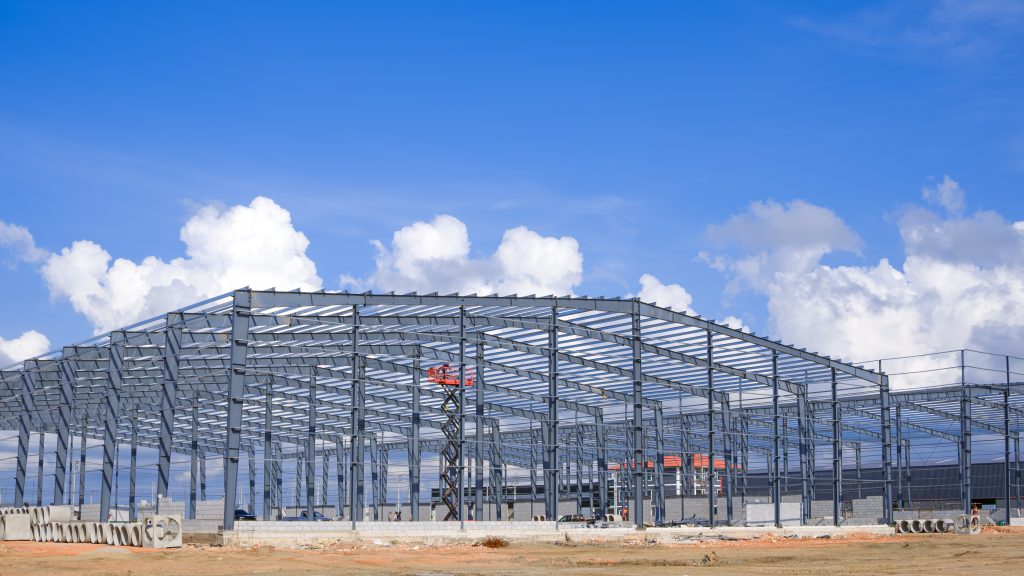
Pre-engineered buildings are complete steel structures designed and fabricated offsite, then assembled quickly onsite. Unlike traditional methods that rely heavily on onsite labor and time-consuming processes, PEB systems are built with precision in factories. This approach makes them ideal for businesses seeking engineered metal building solutions that save both time and cost.
This shift has changed how industries think about facilities especially sectors like logistics, manufacturing, warehousing, and other industrial steel buildings where speed and flexibility matter. Many industrial developers choose engineered steel buildings because they can expand easily and maintain high durability.
As we see demand grow from cities like Pune and Ahmedabad to industrial zones across India. it is worth understanding how PEB trends can help businesses stay competitive.
Trend 1 — Smarter, Software-Driven Design and Engineering
One of the biggest changes in PEB is the use of advanced design tools. With Building Information Modeling (BIM), 3D simulation, and parametric design software:
- Projects are designed more accurately
- Clash detection happens before fabrication
- Structural performance can be analyzed early
- Material quantities become more precise
This reduces waste, tightens schedules, and lowers costs.
Rather than waiting for onsite adjustments, engineers now spot and fix issues before fabrication begins. A major reason PEB projects deliver faster results, especially when developing pre engineered steel buildings for industrial use.
Trend 2 — Green and Sustainable Building Practices
Sustainable development has become a priority and not anything incidental. Inherently, the pre-engineered type of construction is more efficient as it minimizes wasteful consumption of materials and errors in fabrication.
But newer trends take this further:
- Recycled steel framing
- Insulated wall and roof panels for energy savings
- Natural lighting and ventilation design
- Solar-ready roof systems
In a market where energy bills are significant especially for warehouses and industrial facilities. The sustainable PEB designs cut operating costs while meeting environmental goals.
Trend 3 — Integrated Technology for Better Construction
Not only is technology in the design; it has also entered into fabrication and onsite processes by now.
Lean fabrication workflows, automated cutting and rolling machines, and digital checks for quality assure that errors are kept to a minimum, with delivery speeding up. Contractors have additionally been equipped with mobile tools through which they can track installation progress, report issues, and ensure quality control.
These digital means also further enhance communication between teams and secure project time plans even better. This level of control is especially helpful for projects involving engineered metal building systems.
Trend 4 — Faster Delivery and Modular Expansion
Industries need speed. In Chennai, the establishment of a new warehouse or the expansion of a manufacturing unit in Gujarat hinges upon timelines for revenue.
The design of pre-engineered buildings is first focused on standardization; hence, any future expansion shall mean fewer changes and less disruption. Many contractors now offer pre-approved expansion modules that can be installed without shutting down operations.
This modular mindset is part of why PEB continues to outpace traditional RCC and brick-and-mortar methods for industrial growth. The flexibility of engineered steel buildings makes them ideal for companies planning multi-phase development.
Trend 5 — Mixed-Use PEB Structures
It used to be that pre-engineered buildings were only for warehouses and factories. Now, PEB is moving into:
- Retail outlets
- Cold storage hubs
- Logistics parks
- Office spaces
- Exhibition halls
They were developed for much more than just industrial applications, though, for a much wider use, from maximum versatility in soft finishes and heavy-laden steel framing. Developers want speed and clarity and lifecycle cost savings from an asset without sacrificing beautification. Many retail and logistics developers now lean toward pre engineered steel buildings for their fast setup and low maintenance.
Trend 6 — Focus on Durability and Long-Term Performance
Newer PEB systems don’t just go up fast. They last longer. With better coatings, corrosion resistance, and advanced insulation, owners experience lower maintenance and longer service life.
This durability is especially important for industrial steel buildings where heavy equipment, large forklifts, or extreme weather conditions can accelerate wear and tear.
Manufacturers are now offering extended warranties on coatings and structural systems — another benefit for long-term occupiers. This trend has boosted demand for engineered metal building solutions across India.
Trend 7 — Customization with Standardization
PEB once had a reputation for one-size-fits-all design. That’s no longer true.
Today’s systems balance standardization (for speed and cost control) with customization (for function and style). You can specify:
- Roof pitch
- Mezzanine floors
- Insulation levels
- Skylights or translucent panels
This blend of efficiency and flexibility is attracting developers who want optimized performance without unnecessary design compromise. It also supports the rising need for engineered steel buildings that combine good design with faster installation.
Conclusion
You can rely on pre-engineered buildings to get smarter design, better materials, digital integration, and more flexibility, which in turn gives business owners fast delivery, lower cost, and an enduring life.
Are you considering introducing such trends in your next project? Talk to an expert to develop a custom high-performance pre-engineered building.