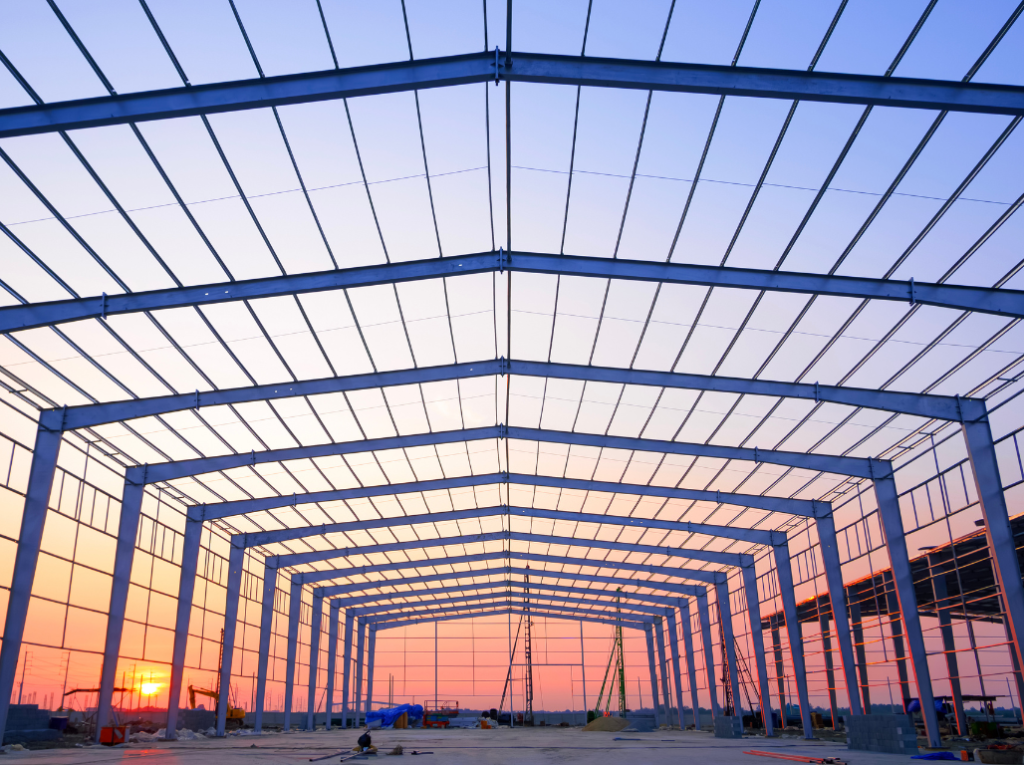


In a real sense, automated systems are changing the processes in building design, manufacture, and operation. Pre-Engineered Buildings are exceptionally prone to this evolution. Processes that were primarily manual and experience-driven were overtaken by robotics, IoT sensors, and smart building machinery speedily and accurately putting intelligence at every single touch of the project, with external and internal consequences.
In a broad context, Automation in Pre-Engineered Buildings is not just about machines and software. In fact, it is the process of enhancing safety, reliability, and ease of use in construction with the basic purpose of minimizing uncertainty and repetitive work. Let’s take a closer look at this transformation from the factory floor to the daily operations of a building.
Manual Construction vs Intelligent Construction
Traditional construction methods depend heavily on on-site labor, manual measurement, and reactive problem-solving. There have been efficiency improvements through such concepts as prefabrication, and Automation in Pre-Engineered Buildings takes this advantage a step further through data-driven decision-making and standardized processes.
Automated methods ensure error identification during the Pre-Engineered Building (PEB) project cycle, long before components reach the site. Such an approach minimizes rework, enhances quality monitoring, and achieves predictability for engineers, contractors, and owners.
Robotics in PEB Manufacturing: Precision at Scale
Manufacturing is the most visible impact area of automation. Robotics is the critical component for manufacturing the Pre-Engineered Building (PEB) steel components.
Robotic systems are massively exerted in:
- Cutting and drilling of steel members
- Automated welding of frames and components
- Handling and positioning of heavy materials
Machines operate with consistent precision. Robotic fabrication complemented by smart building technology guarantees that every site component meets its specification. Efficiencies for manufacturers come through quicker production speed, less material wasted, and assurance of quality. For customers, their evacuation is seamless because any delays are sorted before arrival.
Automation for Safety and Health
A fabrication site and a construction site are two physically strenuous and hazardous environments. Automation in Pre-Engineered Buildings attempts to mitigate this risk by taking away the dangerous or repetitive parts of the processes and handing these tasks to machines.
Robots will thus resolve work involving:
- High temperatures
- Heavy lifting
- Repetitive movements
A further consideration of the advanced Pre-Engineered Building (PEB) facility is that the human machines are evolving rather than disappearing. Workers will include supervision, quality assurance, and control. This change improves safety and also increases skill and fulfilling employment for those involved.
IoT Sensors: Giving Buildings a Voice
After construction, an ongoing form of automation through IoT sensors built into the structure gets underway. These sensors are one of the most critical technologies of smart buildings, providing a continuous means of collection and analysis of data.
They monitor:
- Structural behavior
- Temperature and humidity
- Energy consumption
- Equipment performance
In Automations on Pre-Engineered Buildings, this raw data will allow the building to “talk.” Without the need to rely on blind trust or sporadic inspections, facility managers will have real-time insight into performance.
Smart Monitoring: From Reactive to Predictive
Smart monitoring platforms utilize the sensor data to develop it into actionable intelligence for smart building technology to enhance its long-term value.
Some instances of its use include:
- Automatic HVAC adjustments are triggered when temperature thresholds are exceeded
- Early warning notifications when structural movement deviates from normal patterns
- Identification of energy inefficienciestbefore costs grow
For Pre-Engineered Buildings (PEB) owners, predictive maintenance enables properties to shift from reactive to proactive management, leading to reduced interruption of works.
Automation on Site for Construction
Automation is used during the erection phase with digital planning tools and real-time monitoring. In Automation in Pre-Engineered Buildings, these are used by construction teams to do the following:
- Foresee the erection sequence
- Check installation accuracy
- Project transparency in progress tracking
Drones, digital dashboards, and German-style automated reporting systems integrated with smart building technology all serve to reinforce coordination and reduce uncertainty for project managers and site teams.
Energy Efficiency Through Automation
Energy performance is one of the key advantages derived from automation. Smart systems installed in Pre-Engineered Buildings (PEB) shall:
- Adjust the lighting to the presence
- Optimize HVAC operating
- Monitor energy usage trends
Historically speaking, over time, these attributes powered by smart building technology lead to a reduction in operation cost, environmental impact, and enhancement of occupants’ comfort.
Human Benefit Behind the Tech
While automation sounds technical, its real value is in human consequences. Engineers benefit from accuracy in data; workers function in safer environments; and facility managers have visibility and control.
In Automations in Pre-Engineered Buildings, technology has taken out friction from construction and operations, leaving the teams to devote their whole attention to planning, innovating, and optimizing long-term performance as opposed to continually firefighting.
Building for Tomorrow
An increasingly data-driven industry finds it easier to manage, modify, and scale automated structures. PreEngineered Buildings (PEB) ultimately fulfill the requirements of being sustainable and efficient when fitted with intelligent systems.
The combination of automation and technologies of smart buildings results in a reduction of waste, energy conservation, and sustainable development.
Final Thoughts
Automation in Pre-Engineered Buildings is on its way to redefine the manner of construction and of building performance every single day. Robotics, IoT sensors, and smart monitoring are ushering in a new era of safety in construction, ease of management, and smart operation.
More importantly, it makes construction very human by removing risk, uncertainty, and inefficiency. The further technology evolves, automated PEB will epitomize how innovation creates buildings that truly serve people now and into the future.