
Pre-engineered buildings (PEBs) and reinforced cement concrete (RCC) structures are two widely used construction systems in industrial projects. Each offers distinct advantages in terms of cost, time efficiency, architectural flexibility, and long-term durability. With industries demanding faster setup and scalable infrastructure, choosing the right construction method becomes a strategic decision. PEBs are known for their lightweight steel components and quick installation, while RCC structures are valued for their robustness and longevity. Understanding the differences between these systems helps stakeholders select the most suitable option for their industrial needs.
This guide explains the key differences, common mistakes to avoid, and how to decide the best option for your facility.
Why This Comparison Matters for Industrial Businesses
Factories, warehouses, logistics units, and processing centers need:
- Large clear-open spaces
- Fast installation
- Strong and reliable structures
- Flexibility for future growth
Both pre engineered buildings (PEB) and RCC (Reinforced Cement Concrete) can be used for industrial work, but they perform differently. Choosing the wrong one can slow down operations and increase long-term costs.
What Are Pre-Engineered Buildings?
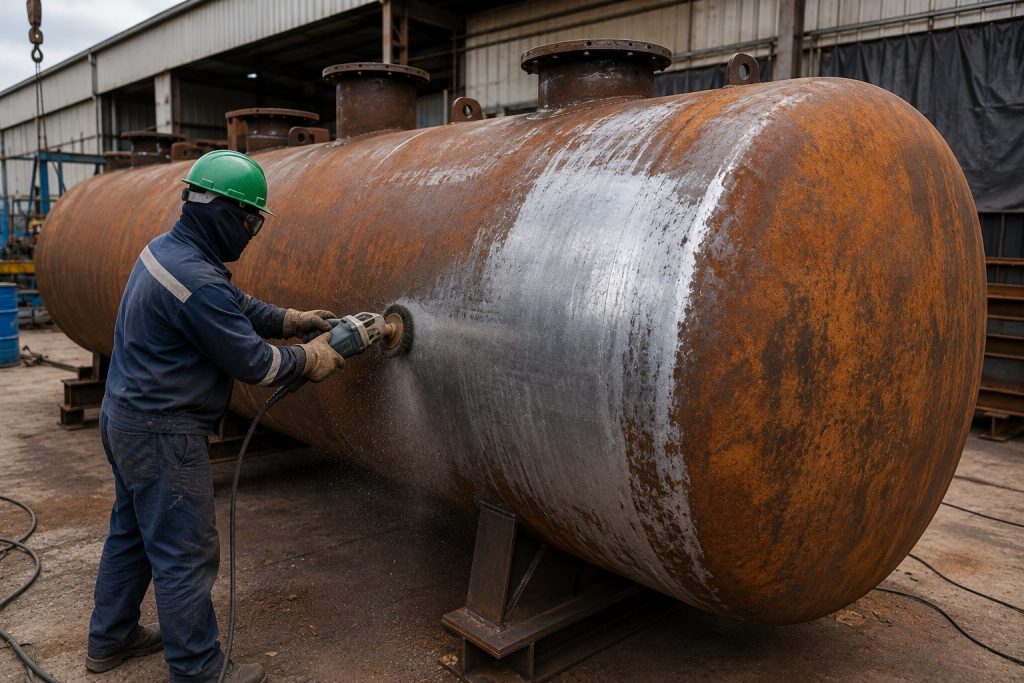
Pre-engineered buildings are steel structures made in a factory, then delivered to the site for fast assembly. Every column, beam, and frame is prepared in advance to fit perfectly.
They are widely used in:
- Warehouses
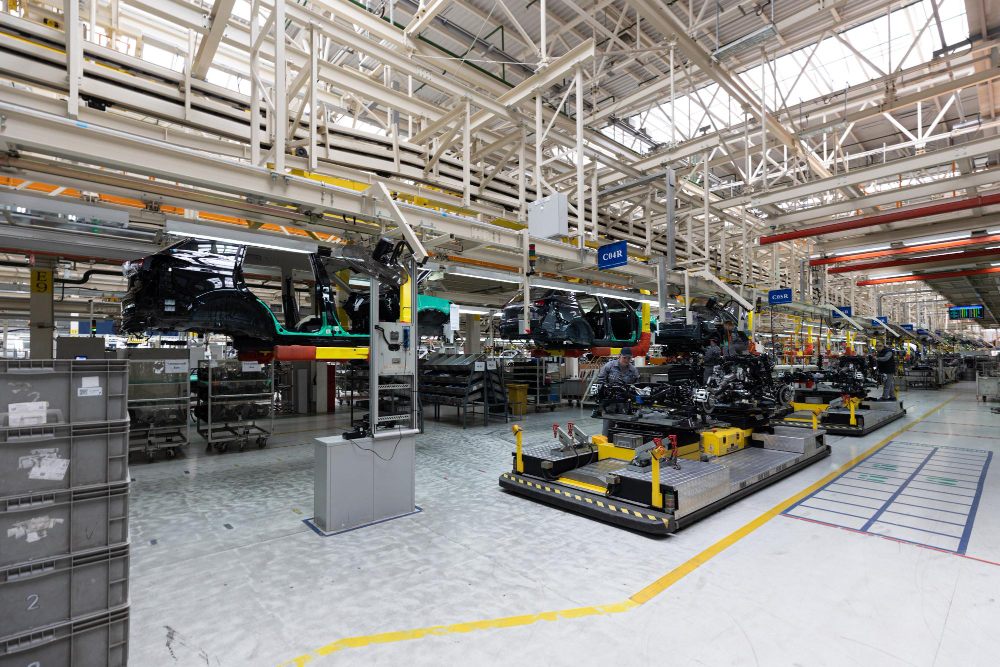
- Manufacturing plants
- Logistics hubs
- Cold storage units
- Large industrial steel buildings
The process is smooth because steel building manufacturers handle design, fabrication, and supply in one system.
What Is RCC Construction?
RCC construction uses concrete with steel reinforcement rods to create walls, pillars, and slabs. This is the traditional method seen in offices, homes, and high-rise buildings.
RCC is strong for multi-floor load-bearing applications but slows down industrial construction.
Pre-Engineered Buildings vs RCC — What Really Matters
Let’s focus on the factors industrial businesses care about most.
1. Speed of Construction
PEB: Very fast
RCC: Slow
PEB saves 30–50% time because fabrication happens in a factory, not onsite.
2. Cost and Budget Control
PEB: Lower overall cost
RCC: Higher cost
RCC requires more labor, longer timelines, and more finishing work — which increases the final cost.
3. Strength and Performance
PEB: Excellent for large spans and heavy equipment
RCC: Strong vertically but limited in large horizontal spaces
Industrial facilities often need wide column-free areas — steel performs better here.
4. Expansion and Flexibility
PEB: Easy to expand later
RCC: Hard and expensive to expand
If your business plans to scale, PEB gives much more room to grow.
5. Durability and Maintenance
PEB: Needs less maintenance
RCC: Needs repairs for cracks, leakage, and corrosion
Industrial environments demand long-term reliability with minimal disruption.
6. Sustainability
PEB: Recyclable steel, less waste
RCC: High concrete waste and environmental load
Companies with sustainability goals benefit more from steel structures.
Common Problems People Face with RCC Industrial Projects
- Delays due to long curing times and weather
- More unexpected cost additions
- Heavy foundations increase project cost
- Poor flexibility for equipment layout changes
- Hard to modify or add new sections later
These issues can cause real business delays and long downtime.
Practical Steps for a Successful PEB Industrial Project
1. Define your operational needs clearly
Machinery loads, vehicle movement, storage types, future capacity.
2. Select trusted steel building manufacturers
Check their past industrial work and design quality.
3. Approve engineering drawings early
Remove confusion before fabrication begins.
4. Prepare the site while the structure is being made
This shortens the total timeline.
5. Review installation progress regularly
Simple weekly checks help prevent delays.
By following these steps, industrial construction becomes faster, safer, and more predictable.
Real Impact on Business Performance
When companies switch to PEB, they gain:
- Faster move-in and production start
- Lower labor and maintenance cost
- More usable floor area due to wide spans
- Better safety and long-term performance
- Easy upgrades for future growth
Every month saved in construction can turn into extra revenue.
That is why modern industrial steel buildings are now mostly PEB-oriented
Conclusion
Pre-engineered buildings are the smarter choice for modern industrial projects — faster to build, easier to expand, and stronger for operations. RCC still works in some cases, but PEB wins when it comes to performance and growth.
Need guidance on your industrial building? Talk to us and we’ll help you plan the best structure for your business.