
When asked why so many companies use pre-engineered buildings in 2025, the answer is simple: they build up faster, cheaper, and better over time for performance. A lot of enterprises seek quick return-ready buildings that will grow with their operations and stay away from constant repairs. Pre-engineered buildings fall into all these categories.
This guide explains the real reasons industries are shifting, the mistakes to avoid, and how to plan a successful pre-engineered project.
What Makes Pre-Engineered Buildings So Popular Now?
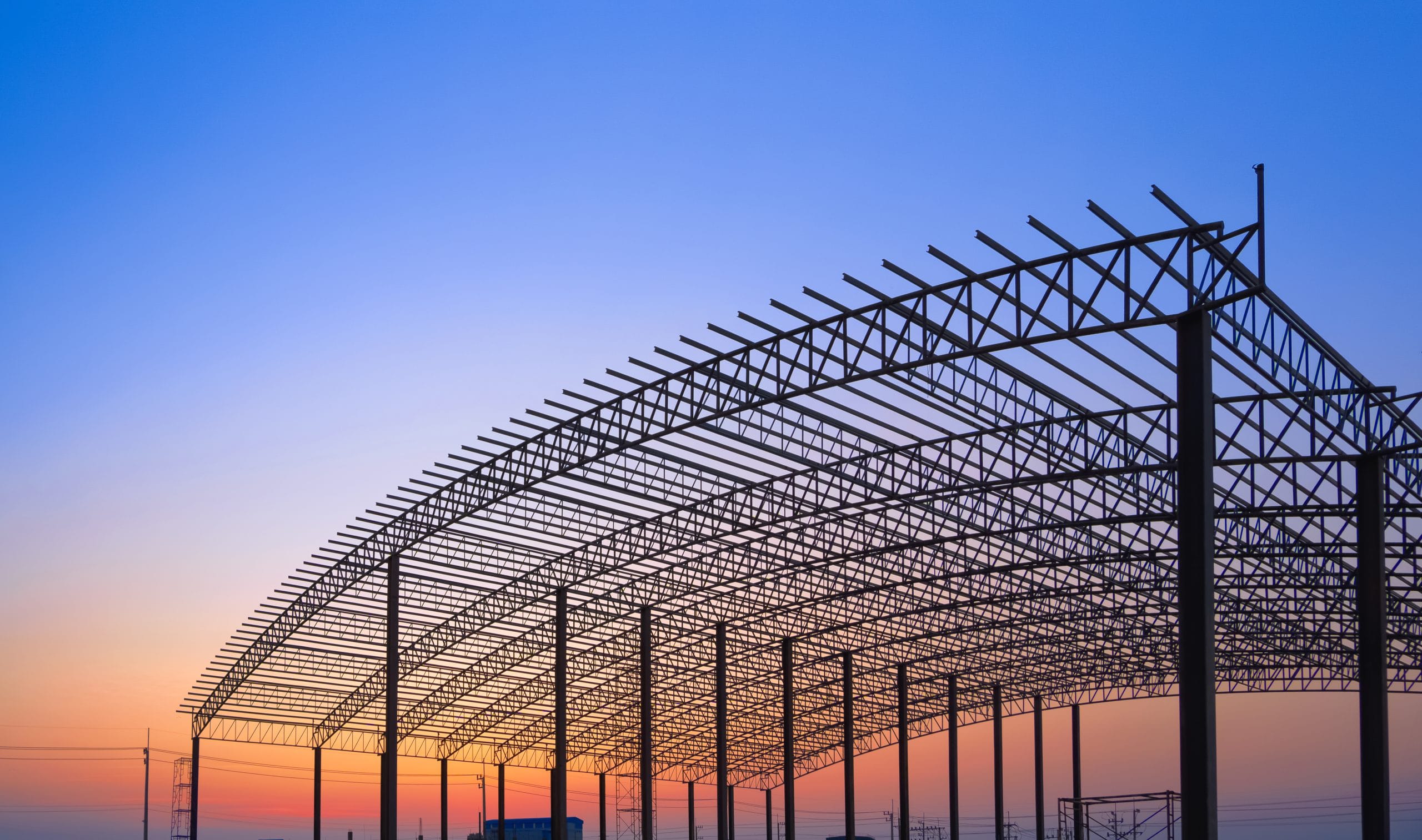
Traditional construction takes a long time because materials are cut and assembled onsite. With pre engineered buildings, most of the work happens at the factory. Every part is measured, cut, and prepared in advance. When delivered, the building is ready to assemble like a system — faster, cleaner, and more reliable.
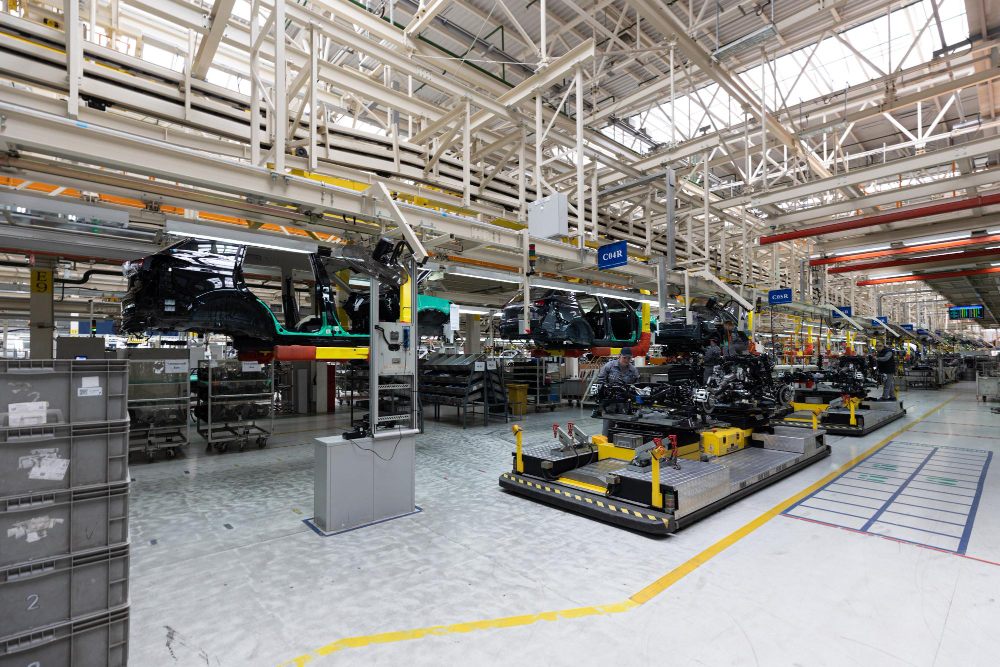
Industries like logistics, manufacturing, warehousing, retail, cold storage, and even agriculture are switching because they need buildings that support quick expansion and efficient operations.
The 5 Biggest Reasons Industries Are Switching to PEB
1. Speed of Construction
Factories and storage facilities cannot afford to wait months for construction. Pre-engineered structures reduce build time by up to 40–50% because installation is simple and planned well ahead.
That faster timeline means businesses can start production or storage earlier, which increases revenue faster.
2. Lower Total Project Costs
Construction labor is getting expensive. Delays cost money. Material waste adds more costs.
Because parts are made in bulk and delivered ready to install, pre engineered buildings:
Reduce labor needs
Cut wasted steel
Avoid design changes during construction
This makes budgets easier to control and often results in major savings.
3. Strong and Reliable Structure
Industrial buildings need to handle heavy loads, machinery, tall heights, and constant use. Pre-engineered steel systems are designed and tested for exact structural needs.
They offer:
Long spans for open workspaces
High durability
Resistance to pests, fire, and moisture
This makes them perfect for industrial steel buildings, production plants, and distribution centers.
4. Flexibility for Future Expansion
Businesses evolve. Space needs change. Traditional buildings are difficult to expand without major disruption.
Pre-engineered structures are designed with growth in mind — you can extend the length or modify areas with minimal trouble.
This flexibility is one reason steel building manufacturers are seeing higher demand from growing companies.
5. Better Energy Efficiency
Modern PEB systems include insulation options, airtight panels, and roof designs that reduce heat gain. Lower energy use means lower operating costs year after year.
For industries with climate-controlled storage or high utility use, this advantage has a strong long-term impact.
Industries Leading the Shift in 2025
Here are the sectors switching the fastest:
- Manufacturing
- Warehousing and logistics
- Automotive workshops
- Dairy and food processing
- Retail chains
- Cold storage providers
- Textile and packaging units
These industries run on speed and efficiency — and PEB helps them grow faster.
Step-by-Step Guide to a Smooth Pre-Engineered Building Project
Follow this easy process to get the best results:
Step 1: Define the goal
Decide what you need: storage, production, distribution, cold chain, or mixed use. This drives the building size and layout.
Step 2: Pick an experienced PEB partner
Choose steel building manufacturers with a strong portfolio, proper certifications, and clear engineering standards.
Step 3: Lock engineering plans early
Finalizing drawings before fabrication avoids delays and cost increases.
Step 4: Prepare the site while the building is made
Grading, drainage, and foundation work should not wait. These tasks can run in parallel.
Step 5: Coordinate deliveries and installation
Make sure equipment and manpower are ready when the building arrives.
Step 6: Inspect before handover
Check finishing, roof installation, and insulation so everything performs well long term.
Step 7: Plan simple yearly maintenance
A quick inspection once or twice a year keeps the structure in top shape for decades.
This clear framework protects your budget and ensures a smooth timeline.
The Real Impact on Business Performance
Switching to pre engineered buildings helps companies:
- Start operations sooner
- Spend less on construction
- Reduce repair and maintenance work
- Use energy more efficiently
- Adjust space as demand grows
These gains help businesses stay competitive and grow faster — especially in sectors where fast delivery and flexible space are key.
The result is a stronger return on investment and buildings designed to support long-term success.
Conclusion
Pre-engineered buildings deliver speed, savings, strength, and flexibility — exactly what forward-thinking industries need in 2025. It’s no surprise more companies are making the switch.
Planning a new industrial facility? Contact our team to get expert help on designing and building your pre-engineered structure the right way.