
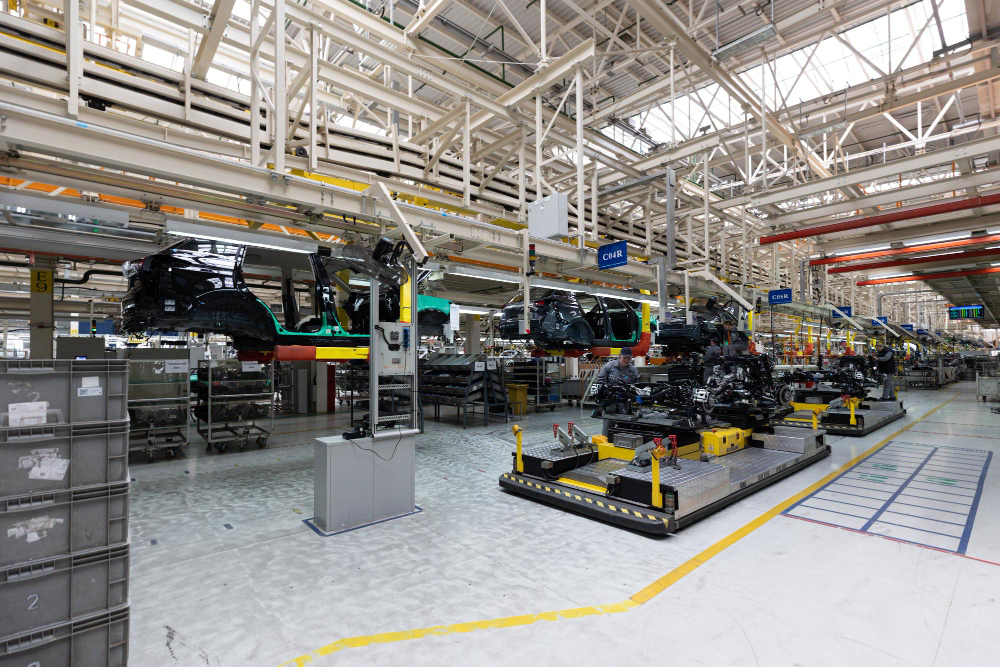
Automobile manufacturing plants require large production areas, efficient material movement, heavy equipment support, and sufficient flexibility for future expansion. The structural system must therefore be designed around the manufacturing process rather than simply the building envelope.
Pre-Engineered Buildings (PEBs) provide an efficient structural solution for automobile manufacturing facilities, automotive component plants, warehouses, and other industrial buildings. With appropriate engineering and detailing, PEB structures can accommodate large clear spans, overhead cranes, equipment loads, service systems, and future expansion requirements.
For businesses developing manufacturing facilities in Hyderabad and Telangana, working with experienced PEB detailing services in Hyderabad, structural consultants, and PEB manufacturers can help ensure that the building is properly coordinated with operational requirements.
What Is a PEB Automobile Manufacturing Plant?
A PEB automobile manufacturing plant is an industrial facility in which the primary structural framework consists of engineered steel components designed and fabricated according to the project’s requirements.
Depending on the manufacturing process, an automobile facility may include:
- Production and assembly halls
- Automotive component manufacturing areas
- Raw-material storage
- Finished-goods warehouses
- Paint and finishing areas
- Inspection and quality-control areas
- Maintenance workshops
- Utility and service areas
- Loading and unloading zones
- Administrative and support spaces
The structural design should be developed after considering production-line requirements, machinery locations, material movement, building services, crane systems, and potential future expansion.
Why PEB Is Suitable for Automobile Manufacturing Plants
1. Large Clear-Span Production Areas
Automobile manufacturing facilities often require large unobstructed spaces for production lines, equipment, vehicle movement, and material handling.
PEB structures can be engineered with large clear spans, reducing the requirement for intermediate columns in suitable applications. This provides greater flexibility for arranging:
- Assembly lines
- Manufacturing machinery
- Automated production systems
- Vehicle movement routes
- Material-handling equipment
- Inspection and maintenance areas
2. Flexible Factory Layout
Automotive manufacturing processes can change as production volumes, technologies, and product lines evolve.
A properly planned PEB structure can support flexible internal layouts by considering appropriate bay spacing, building dimensions, clear heights, and access requirements during the design stage.
This flexibility can be particularly valuable for facilities that may introduce new production lines or equipment in the future.
3. Faster Structural Erection
PEB components are designed and fabricated under controlled manufacturing conditions before being transported to the project site.
After foundations and other preparatory works are completed, the structural steel components can be erected systematically. This can help project teams coordinate structural construction with machinery installation, MEP works, and other construction activities.
The actual project duration, however, depends on factors such as design complexity, fabrication, foundation readiness, transportation, site conditions, and erection planning.
4. Easier Future Expansion
Automobile and automotive-component manufacturers may need to increase production capacity as their business grows.
Expansion requirements can be considered during the initial structural design. For example, the building may be planned to accommodate:
- Additional structural bays
- Production-line extensions
- Additional crane systems
- Warehouse extensions
- Increased loading capacity
- Additional utility infrastructure
Planning these requirements early can reduce the complexity of future modifications.
Important Design Considerations for Automobile PEB Buildings
Designing a PEB for an automobile manufacturing facility requires detailed coordination between the structural system and the manufacturing process.
Production Equipment and Machinery Loads
Machinery locations should be identified as early as possible.
Equipment loads, operating conditions, maintenance clearances, vibration considerations, and access requirements can influence structural design and foundation requirements.
The structural engineer should coordinate available equipment information with the building design to ensure that the supporting structure is appropriately engineered.
EOT Crane Requirements
Many automobile and automotive-component manufacturing facilities use overhead cranes for lifting and moving materials.
If an EOT crane is required, the structural system needs to be designed for the applicable crane loads and operational requirements.
This may involve coordination of:
- Crane runway beams
- Crane columns
- Brackets
- Connections
- Wheel loads
- Horizontal forces
- Vertical loads
- Maintenance access
Crane requirements should ideally be established before structural design is finalized.
Building Height and Clear Height
Building height depends on several factors, including:
- Production equipment
- Crane requirements
- Ventilation systems
- Fire and safety systems
- MEP services
- Material-handling requirements
- Maintenance access
Selecting an appropriate clear height during the planning stage can help avoid structural modifications later.
Bay Spacing
Bay spacing directly influences factory operations and structural efficiency.
It can affect:
- Production-line positioning
- Machinery placement
- Crane arrangements
- Material movement
- Column locations
- Structural steel quantities
- Future expansion
There is no universal bay spacing suitable for every automobile manufacturing plant. The optimum arrangement should be determined based on the actual production process and structural requirements.
PEB Design and Detailing Services in Hyderabad
Detailed engineering plays a critical role in converting the architectural and operational requirements of an automobile plant into a constructible steel structure.
PEB Design and Detailing Services in Hyderabad can include the development and coordination of structural drawings, connection details, fabrication information, and erection-related documentation.
Depending on project requirements, detailing may involve:
- Anchor bolt plans
- Column and rafter details
- Bracing details
- Connection details
- Crane-related structural details
- Roof and wall framing
- Secondary structural members
- Cladding support details
- Fabrication drawings
- Erection drawings
- Material schedules
Accurate detailing helps fabricators and erection teams understand how individual steel components should be manufactured, assembled, and installed.
Role of PEB Detailing Services in India
PEB detailing services in India support the transition from structural design to steel fabrication and site erection.
For large automobile facilities, detailing needs to account for the complete structural system rather than individual members in isolation.
A coordinated detailing process can help identify potential clashes between:
- Structural steel
- Crane systems
- MEP services
- Roofing systems
- Cladding
- Equipment
- Architectural elements
Early identification of these issues can reduce fabrication changes and site-related complications.
PEB for Automotive Component Manufacturing
PEB systems are not limited to complete automobile assembly plants. They can also be used for facilities manufacturing and processing:
- Automobile components
- EV components
- Sheet-metal parts
- Vehicle body components
- Mechanical assemblies
- Engineering products
- Automotive accessories
These facilities can have different structural requirements depending on machinery, production processes, storage requirements, and material-handling systems.
For example, a component manufacturing facility may require heavy equipment foundations, crane systems, specialized ventilation, and dedicated storage areas.
PEB and Warehouse Construction for Automotive Facilities
Storage is an important part of automobile manufacturing operations. Plants may require dedicated areas for raw materials, components, spare parts, packaging materials, and finished products.
PEB systems can also be considered for warehouse construction in India, particularly where large column-free or open storage areas are required.
An automotive warehouse may require:
- High clear height
- Loading docks
- Material-handling systems
- Racking systems
- Forklift movement
- Truck access
- Fire protection systems
- Ventilation
- Future storage expansion
The warehouse structure should therefore be designed around its intended storage system and operational requirements.
Role of a Structural Steel Consultant in Hyderabad
A Structural Steel Consultant in Hyderabad can help coordinate the structural requirements of an automobile manufacturing project with the architectural, manufacturing, and MEP requirements.
Structural evaluation may include:
- Dead loads
- Live loads
- Wind loads
- Seismic considerations
- Crane loads
- Equipment loads
- Roof loads
- Cladding loads
- Foundation reactions
- Structural connections
- Serviceability requirements
- Future expansion requirements
The structural consultant can also coordinate with architects, PEB manufacturers, equipment suppliers, MEP consultants, and other project stakeholders.
Choosing PEB Vendors and Manufacturers in Hyderabad
Selecting the right project partner is important when developing an industrial manufacturing facility.
When evaluating PEB vendors in Hyderabad, businesses should consider factors such as:
- Engineering capabilities
- Design and detailing expertise
- Fabrication facilities
- Quality-control procedures
- Experience with industrial buildings
- Crane-supporting structures
- Project execution capabilities
- Material specifications
- Fabrication accuracy
- Site erection experience
Similarly, PEB manufacturers in Hyderabad should be evaluated based on their ability to manufacture structural components according to approved engineering and detailing requirements.
The lowest initial quotation should not be the only selection criterion. Structural quality, engineering coordination, fabrication standards, project timelines, and after-sales support can also influence the overall project outcome.
How to Select a PEB Company in Hyderabad
Choosing a PEB company in Hyderabad for an automobile manufacturing project requires evaluating both technical capabilities and project experience.
Before finalizing a company, project owners can assess:
- Experience with industrial buildings
- Engineering and detailing capabilities
- Experience with large-span structures
- Crane-supporting structures
- Fabrication capacity
- Quality-control systems
- Previous project experience
- Ability to coordinate with other consultants
- Expansion planning capabilities
- Site erection and project-management capabilities
A technically capable project partner can help ensure that the structural solution is aligned with the actual operational requirements of the manufacturing facility.
PEB vs Conventional Construction for Automobile Plants
Both PEB and conventional structural systems can be suitable for automobile manufacturing facilities.
The appropriate solution depends on the building’s structural requirements, site conditions, operational requirements, project schedule, budget, and future expansion plans.
PEB systems can be particularly suitable when the project requires:
- Large industrial spans
- Open production areas
- Efficient steel fabrication
- Systematic erection
- Flexible layouts
- Material-handling systems
- Future expansion
However, PEB should not be selected simply because it is considered faster or more economical. The structural system should be evaluated based on the complete project requirements.
Future Expansion and Manufacturing Flexibility
Automotive manufacturing is continuously evolving, with new vehicle platforms, automation technologies, electric vehicles, and production processes changing facility requirements.
A future-ready PEB design can consider potential changes such as:
- Additional production bays
- New assembly lines
- Additional cranes
- Automated material-handling systems
- Warehouse expansion
- New utility infrastructure
- Increased production capacity
- New manufacturing technologies
Considering these possibilities during the initial design stage can provide greater flexibility throughout the building’s operational life.
Conclusion
Automobile manufacturing plants require carefully engineered structures capable of supporting production equipment, material handling, storage, utilities, and future expansion.
A properly designed PEB can provide large usable spaces, flexible factory layouts, efficient steel fabrication, and a structural framework that can be adapted to the requirements of modern automotive facilities.
For projects in Hyderabad and Telangana, early coordination between the client, architect, PEB company in Hyderabad, PEB manufacturer, detailing team, and Structural Consultant in Hyderabad can help ensure that the structural design supports the manufacturing process from the beginning.
Whether the project involves an automobile assembly plant, automotive component facility, or industrial warehouse, professional PEB detailing services in Hyderabad and engineering coordination can contribute to a more practical and constructible structural solution.