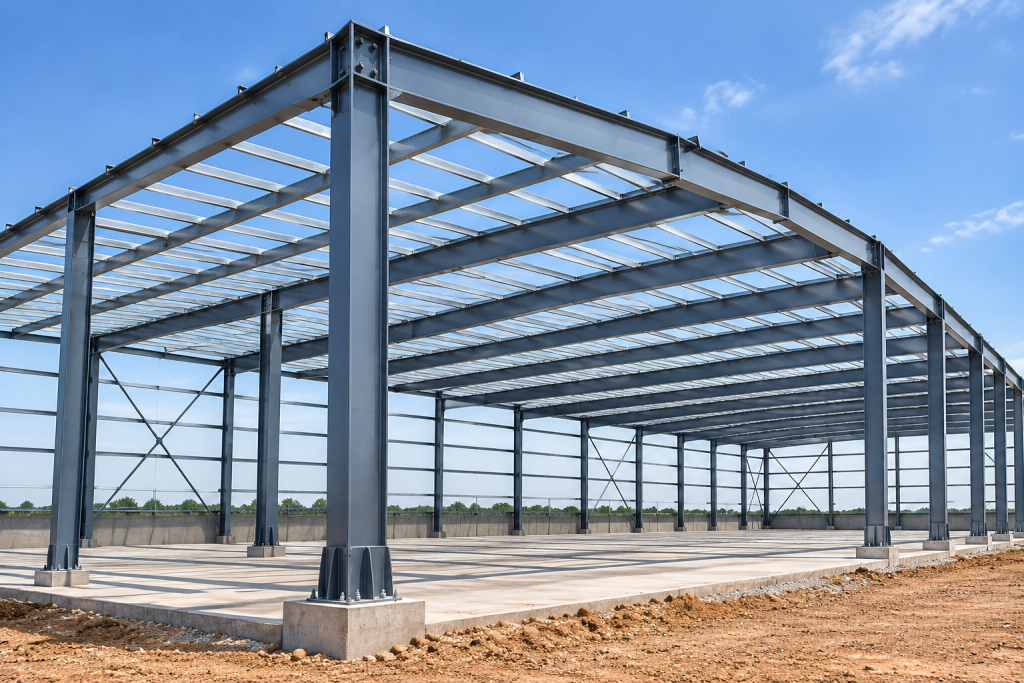

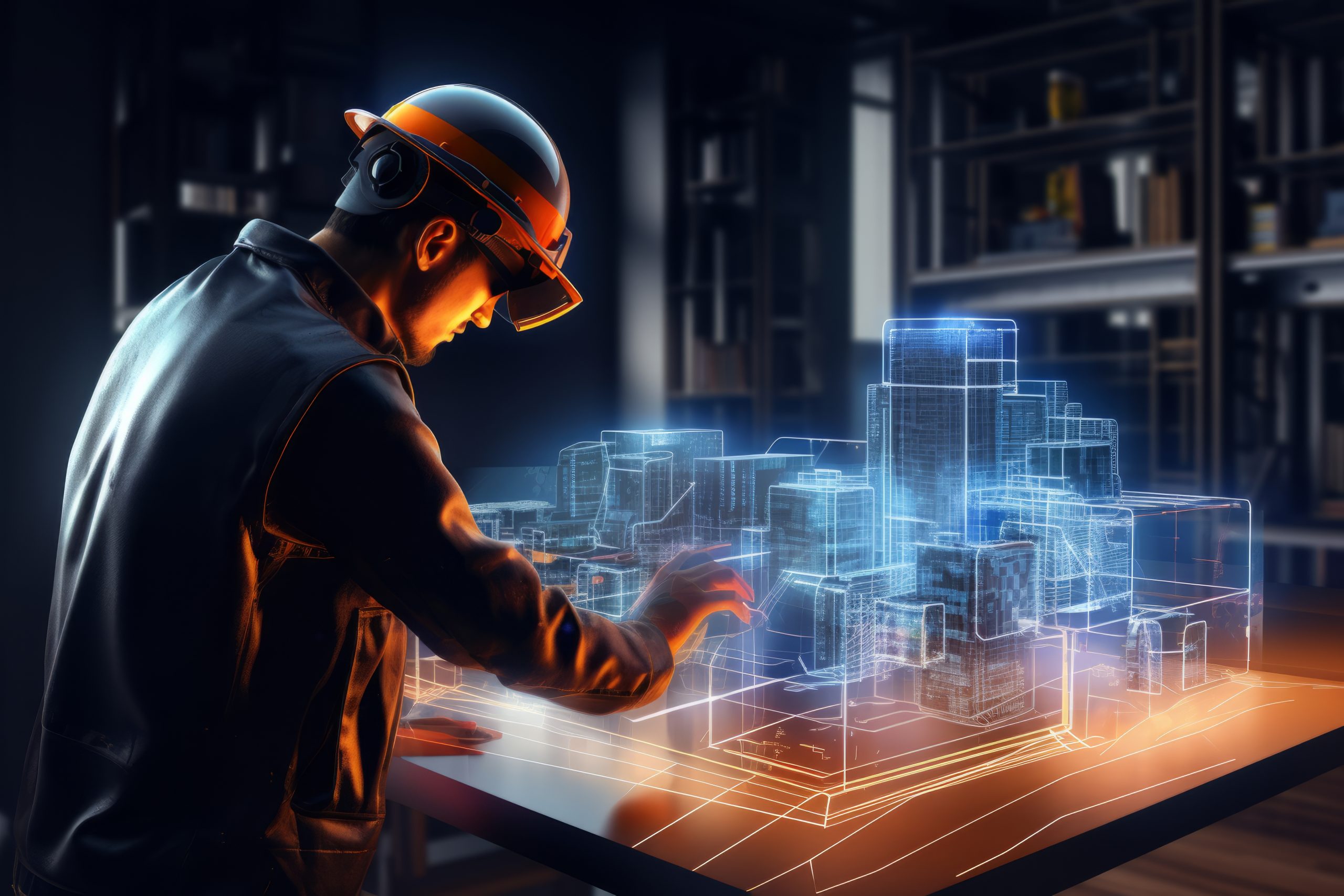
Now-a-days, construction is a fast-changing world, where Pre-Engineered Buildings (PEB) are far more than just speed and low-cost options. Now, they are becoming intelligent, data-driven, and future-ready structures. The crux of this transformation lies in Digital Integration in Pre-Engineered Buildings through Building Information Modeling (BIM), AI, and Digital Twins. These technologies are creating a shift in the way Pre-Engineered Buildings (PEB) are designed, manufactured, constructed, and even operated long after the handover. This shift to digital is making these structures more intelligent, efficient, and human-centric.
From Traditional Workflows to Digital Thinking
Such traditional projects have often seen design, fabrication, and construction working in silos. Although PEBs offered shorter delivery times than conventional construction, coordination gaps and rework were still commonplace. Enter the age of Digital Integration in Pre-Engineered Buildings, where teams can now make the jump from reactive problem-solving to predictive planning. Digital simulation, data-driven decision-making, and connected workflows minimize errors, strengthen collaboration, and ensure smooth project execution.
BIM: Creating a Single Source of Truth
Building Information Modeling will be the backbone for Digital Integration with Pre-Engineered Buildings. BIM is not just a 3D model but a data-rich digital representation that includes materials, dimensions, weights, and performance parameters.
With BIM, in a PEB project, we can:
- Model integrated structural frames, roofing, cladding, and MEP systems.
- Clash detection prior to fabrication
- Accurate quantity take-offs and material planning
This makes BIM so simple as it provides a common digital platform for transparency and ensures that all stakeholders work with the same information.
AI: Smarter Decisions, Faster Outcomes
With the help of BIM, the digital model is being created whereas artificial intelligence in the construction industry brings intelligence to the process. AI tools sift through tons of historical data and engineering rules to come up with the best-designed solution.
Through AI in the construction industry, a quick evaluation of these things, which is needed in engineering environments, is to be done.
- Wind, seismic, crane, and snow load conditions
- Span lengths and bay spacing
- Steel sections and material grades
Now, AI in the construction industry does not replace engineers, and instead creates a very large gap focusing in automating repetitive tasks to give an engineer more time to spend on innovation and judgment.
Digital Twins: Bringing Buildings to Life
A digital twin takes Digital Integration in Pre-Engineered Buildings beyond design and construction. Unlike static models, a digital twin integrates real-time data from sensors installed in the building.
Such systems check for
- Structural performance
- Temperature and humidity
- Energy consumption
- Equipment health
For owners, an AI-powered digital twin in the construction environment facilitates predictive maintenance, minimizes downtime, and enhances lifecycle performances.
Seamless Integration Across the Project Lifecycle
Among the top benefits of Digital Integration in Pre-Engineered Buildings is a continuous data flow throughout all stages:
- Design phase: Clash-free designs optimized by BIM and AI in construction.
- Manufacturing phase: Model accounts for all the fabrication information.
- Construction phase: Sequencing and scheduling of Erection for enhanced site utilization.
- Operation phase: Digital twins give monitoring and future upgrades.
This ensures data accuracy, traceability, and informed decision-making throughout the lifecycle of the building.
Human Benefits Behind the Technology
Although digital tools sound quite technical, their advantages are very human. For engineers, automation relieves design stress. For managers, the data-oriented planning mitigates unpredictability. For site teams, enhanced coordination translates to enhanced safety. And investors in Pre-Engineered Building (PEB) gain confidence, clarity, and value in the long run.
Sustainability Through Digital Intelligence
New-age digital tools help achieve goals concerning sustainability. Optimized designs would lead to reduced steel consumption, waste, and embodied carbon. With consistent monitoring through digital twins, energy use remains efficient, thus making Pre-Engineered Buildings (PEBs) more environment-friendly over the years.
The Future of Digitally Integrated PEBs
But it was only in those years when AI began to enter into the construction industry. Design, fabrication, and operation would be part of an ever-changing ecosystem where buildings could learn through data. The future belonged to digital integration, where one would either comply or become irrelevant.
Conclusion:
Such a transformation is occurring where these constructions are now being fashioned from mere fast-built assets into truly intelligent systems with the advent of digital integration in PEBs. BIM, AI in construction, digital twins–these enabled modern PEBs to achieve all-around efficiency, sustainability, and long-term viability. A digitally integrated PEB is not only future-ready but also future-making in a construction arena today where nothing matters more than precision, speed, and accountability.