
Diesel is one of the most important fuels used across industries in India. From powering backup generators and heavy machinery to supporting manufacturing plants and infrastructure projects, reliable diesel storage is essential for uninterrupted operations.
An underground diesel storage tank is one of the safest and most space-efficient solutions for storing diesel fuel. Installed below ground level, these tanks offer enhanced protection, improved site aesthetics, and long-term durability.
In this guide, we’ll explore the benefits, applications, installation process, maintenance requirements, and key factors to consider when investing in an underground diesel storage tank.
What Is an Underground Diesel Storage Tank?
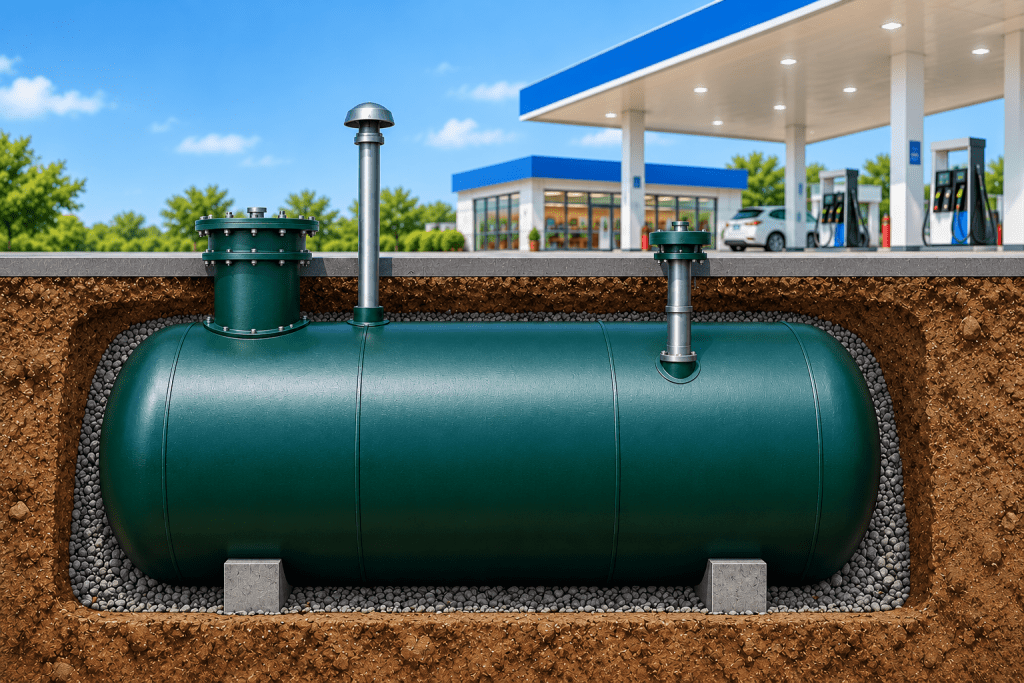
An underground diesel storage tank is a specially engineered storage vessel installed beneath the ground to safely store diesel fuel for industrial, commercial, and infrastructure applications.
Unlike above-ground storage systems, underground tanks are protected from weather conditions, accidental impacts, and unauthorized access. They are designed to provide safe, reliable, and long-term fuel storage while maximizing available land space.
These tanks are available in various capacities and configurations to meet the needs of different industries.
Why Choose an Underground Diesel Storage Tank?
Many businesses prefer an underground diesel storage tank because it offers a combination of safety, durability, and efficient space utilization.
Key advantages include:
- Better use of available land
- Enhanced fire safety
- Protection from harsh weather
- Reduced risk of accidental damage
- Improved site appearance
- Secure fuel storage
- Long operational life
- Lower maintenance requirements with proper care
Types of Underground Diesel Storage Tanks
Different industries require different storage solutions. Leading manufacturers offer several types of underground diesel tanks.
Single-Wall Underground Diesel Storage Tank
A single-wall tank consists of one steel shell designed for safe diesel storage in suitable operating environments.
These tanks are commonly used where project requirements permit standard containment systems.
Double-Wall Underground Diesel Storage Tank
A double-wall underground diesel storage tank includes an inner storage vessel surrounded by an additional protective wall.
Benefits include:
- Enhanced leak protection
- Improved environmental safety
- Leak monitoring capability
- Greater operational reliability
- Longer service life
Double-wall tanks are increasingly preferred for modern industrial and commercial projects.
Materials Used in Underground Diesel Storage Tanks
The choice of material plays a significant role in the performance and lifespan of an underground diesel storage tank.
Carbon Steel
Carbon steel is widely used because of its:
- High structural strength
- Excellent durability
- Cost-effectiveness
- Long service life when properly protected
Stainless Steel
Stainless steel tanks offer superior corrosion resistance and are suitable for specialized industrial applications.
Protective Coatings
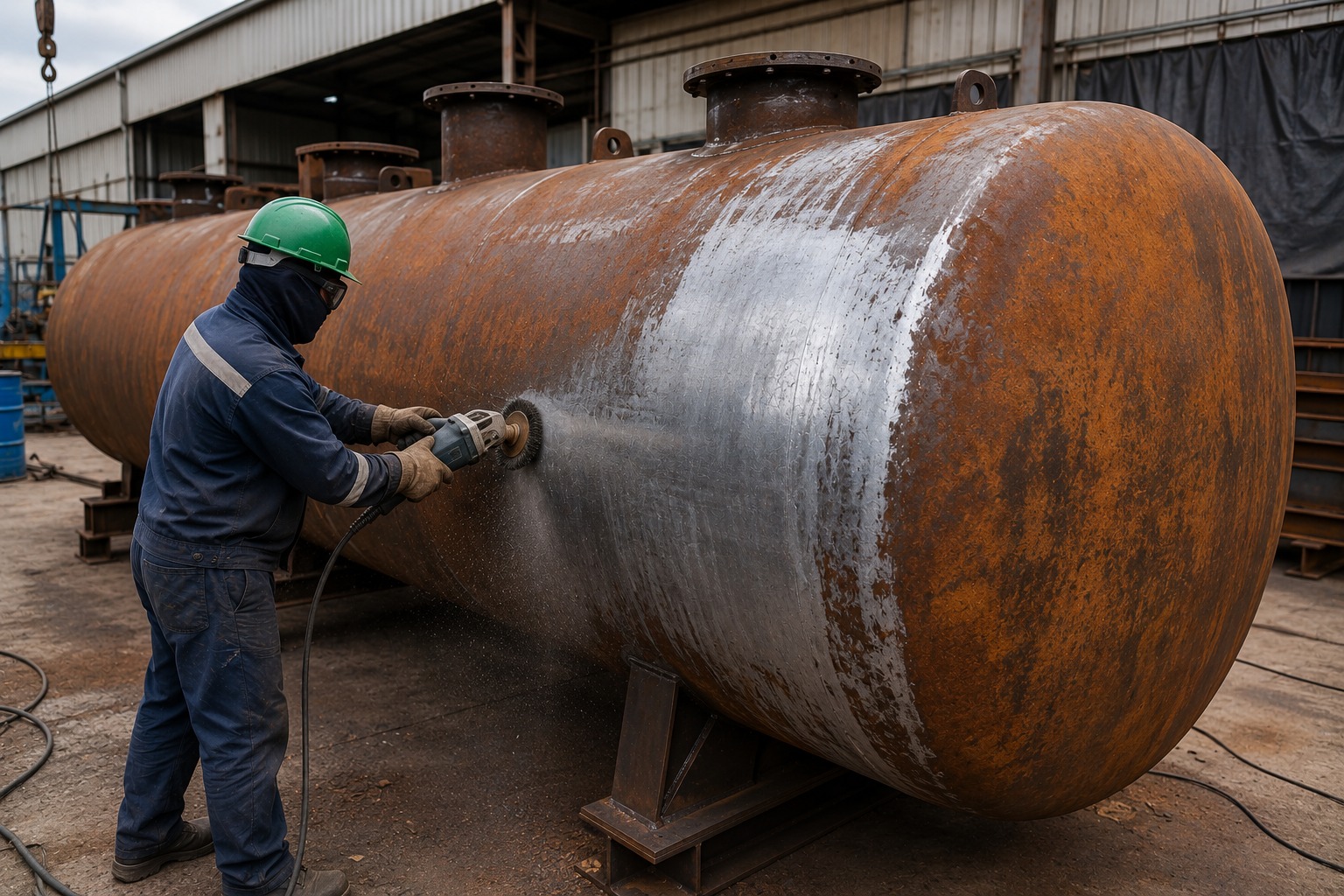
High-quality coatings help protect underground tanks from corrosion, moisture, and soil-related environmental conditions.
Applications of Underground Diesel Storage Tanks
Applications of Underground Diesel Storage Tanks
An underground diesel storage tank is widely used across multiple industries.
Manufacturing Plants
Factories use underground diesel tanks to fuel generators and production equipment during power interruptions.
Hospitals
Healthcare facilities rely on underground diesel storage for emergency power systems that support critical operations.
Commercial Buildings
Hotels, shopping malls, office complexes, and data centers use diesel storage tanks for backup generator systems.
Construction Projects
Construction companies install underground tanks to provide a continuous fuel supply for heavy machinery.
Mining Industry
Mining operations require large-capacity diesel storage to support equipment operating in remote locations.
Infrastructure Projects
Airports, transportation hubs, and utility facilities use underground diesel tanks for dependable fuel management.
Capacity Options
Manufacturers offer underground diesel storage tanks in a variety of capacities, including:
- 5 KL
- 10 KL
- 20 KL
- 30 KL
- 50 KL
- 75 KL
- 100 KL
- Custom-built capacities
The ideal tank size depends on fuel consumption, operational requirements, and future expansion plans.
Components of an Underground Diesel Storage Tank System
A complete storage system generally includes:
- Storage tank
- Fill pipe
- Vent pipe
- Fuel outlet
- Level indicator
- Inspection manhole
- Overflow protection
- Drain system
- Leak monitoring provision
- Earthing system
Each component contributes to safe and efficient diesel storage.
Installation Guide for Underground Diesel Storage Tanks
Proper installation is essential to ensure safety, durability, and reliable performance.
A typical installation process includes:
1. Site Assessment
Engineers evaluate soil conditions, groundwater levels, available space, and project requirements.
2. Excavation
A pit is excavated according to the tank dimensions and engineering specifications.
3. Foundation Preparation
A stable foundation is prepared to support the weight of the tank and stored fuel.
4. Tank Placement
The underground diesel storage tank is carefully lowered into position using appropriate lifting equipment.
5. Pipe Installation
Fuel lines, vent pipes, and monitoring systems are connected.
6. Leak Testing
The tank and associated piping are inspected and tested before commissioning.
7. Backfilling
Approved backfill material is placed around the tank while maintaining proper support.
8. Final Inspection
A complete inspection verifies installation quality, safety, and operational readiness.
Maintenance Best Practices
Routine maintenance helps maximize the life of an underground diesel storage tank.
Recommended practices include:
- Periodic leak inspections
- Fuel quality monitoring
- Internal cleaning when required
- Inspection of vents and valves
- Corrosion monitoring
- Calibration of fuel level indicators
- Preventive maintenance scheduling
Regular inspections improve reliability and reduce unexpected downtime.
Factors to Consider Before Buying an Underground Diesel Storage Tank
Before selecting a storage tank, evaluate:
- Storage capacity
- Installation location
- Tank material
- Corrosion protection
- Safety features
- Available space
- Future expansion requirements
- Quality standards
- Manufacturer experience
- After-sales support
Choosing the right storage solution improves long-term operational performance.
Emerging Trends in Underground Diesel Storage
Modern fuel storage technology continues to evolve.
Current industry trends include:
- Smart fuel level monitoring
- IoT-enabled storage systems
- Digital fuel inventory management
- Automated leak detection
- Predictive maintenance
- Advanced corrosion-resistant coatings
- Remote monitoring systems
These technologies improve operational efficiency while enhancing safety and fuel management.
Why Work with an Experienced Manufacturer?
Selecting an experienced manufacturer ensures access to:
- High-quality fabrication
- Custom tank designs
- Reliable engineering support
- Comprehensive quality testing
- Technical installation assistance
- Long-term customer support
A trusted manufacturing partner helps ensure that your storage system delivers dependable performance for years to come.
Conclusion
An underground diesel storage tank is a reliable, safe, and space-efficient solution for storing diesel across industrial, commercial, and infrastructure applications. Its ability to protect fuel, optimize land use, and support uninterrupted operations makes it an ideal choice for organizations that depend on a consistent diesel supply.
By choosing the right tank capacity, high-quality materials, professional installation, and an experienced manufacturer, businesses can build a storage system that delivers long-term value, safety, and operational efficiency.