
Everything You Need to Know About Underground Fuel Storage Tanks
Fuel storage plays a critical role across industries such as petroleum retail, manufacturing, logistics, mining, aviation, and power generation. As safety standards become more stringent and land utilization becomes increasingly important, the Underground Fuel Storage Tank has become the preferred choice for businesses seeking secure and efficient fuel storage.
This guide explains everything you need to know about underground fuel storage tanks in India, including their types, construction, applications, advantages, installation process, maintenance requirements, and key factors to consider before investing in one.
What Is an Underground Fuel Storage Tank?
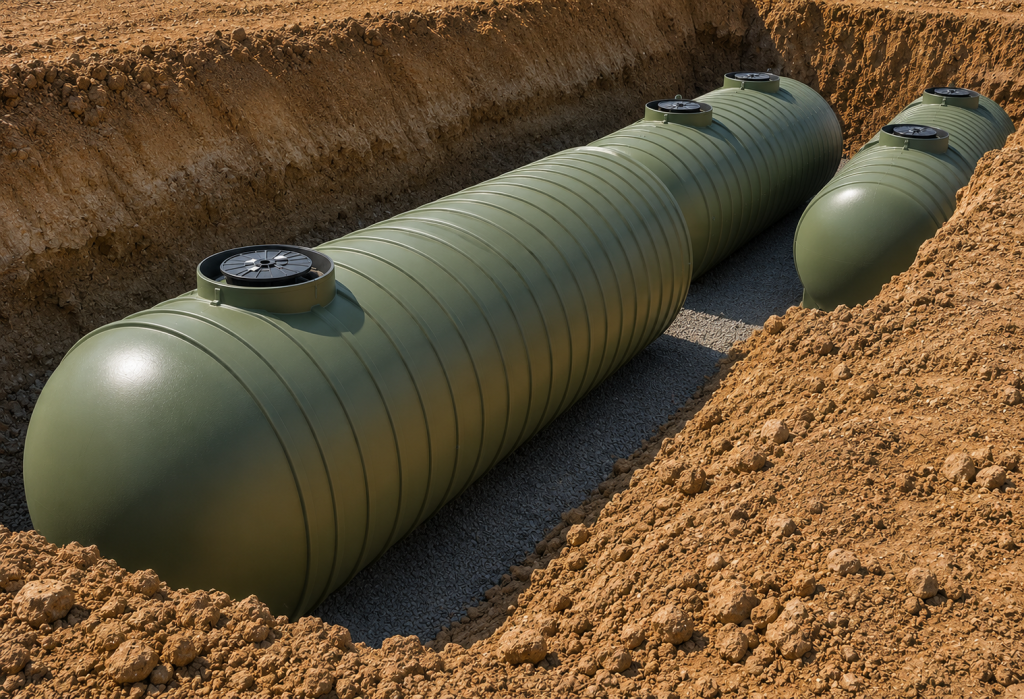
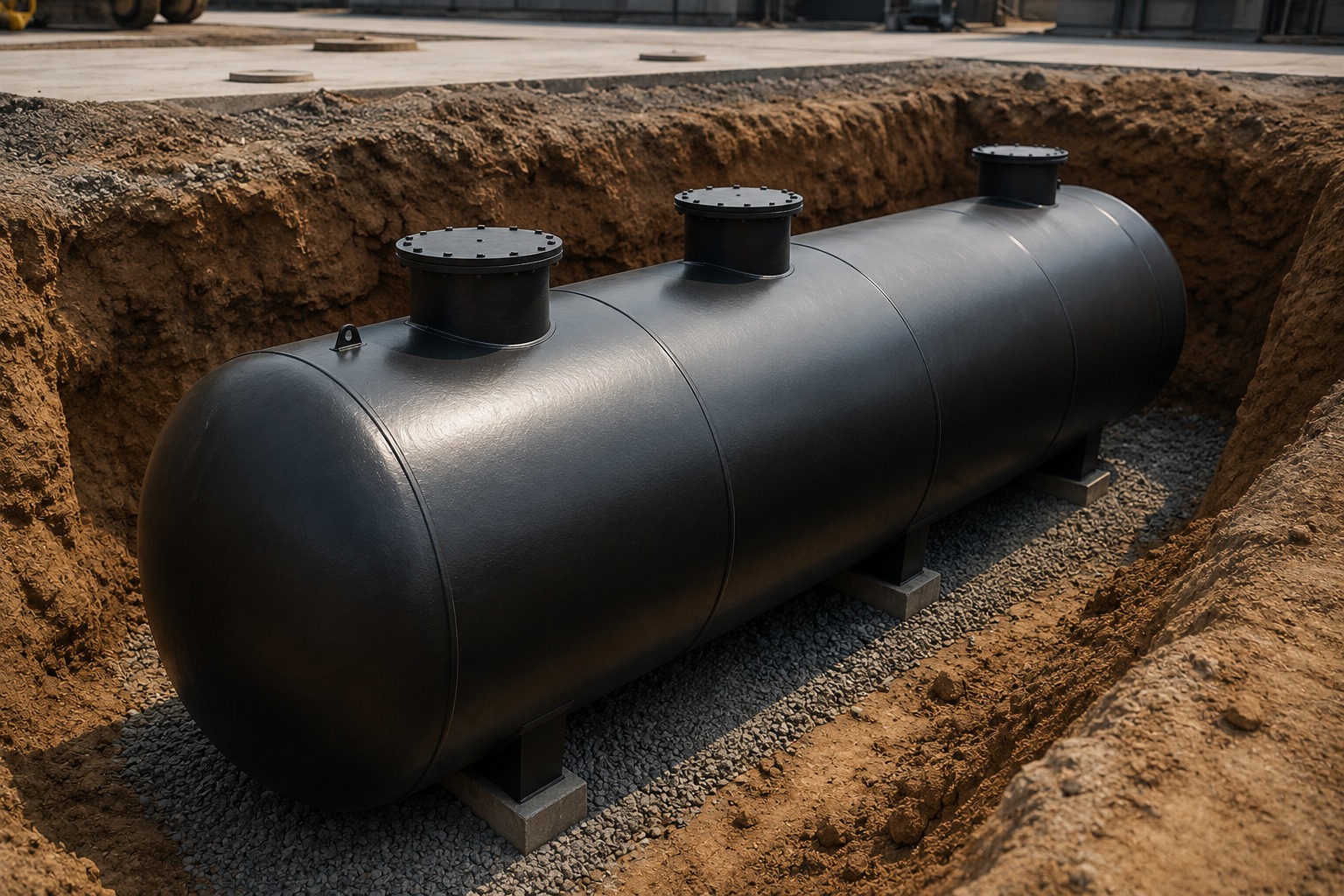
An Underground Fuel Storage Tank (UST) is a specially engineered storage vessel installed below ground level to safely store petroleum products such as:
- Diesel
- Petrol (Gasoline)
- Aviation Fuel
- Biofuels
- Furnace Oil
- Industrial Fuels
Unlike above-ground tanks, underground tanks provide enhanced safety, improved aesthetics, and better protection from environmental conditions.
They are widely used at:
- Fuel stations
- Industrial facilities
- Power plants
- Manufacturing units
- Commercial complexes
- Airports
- Mining sites
- Logistics hubs
Why Underground Fuel Storage Tanks Are Popular in India
Rapid industrial growth and expanding fuel infrastructure have significantly increased the demand for underground storage systems.
Businesses prefer underground tanks because they:
- Maximize usable land area
- Improve workplace safety
- Reduce fire exposure
- Protect fuel from extreme weather
- Offer a cleaner and more organized site appearance
- Help meet modern infrastructure requirements
Types of Underground Fuel Storage Tanks
1. Single-Wall Underground Tanks
These tanks consist of one steel shell designed to store fuel safely.
Suitable for:
- Small industrial applications
- Backup fuel storage
- Limited-capacity installations
Advantages
- Lower initial cost
- Simple installation
- Easy maintenance
2. Double-Wall Underground Fuel Storage Tanks
Double-wall tanks feature an inner storage tank surrounded by a secondary protective wall.
Benefits include:
- Leak detection capability
- Enhanced environmental protection
- Improved operational safety
- Longer service life
- Reduced contamination risk
These tanks are widely preferred for modern fuel stations and industrial projects.
Materials Used in Underground Fuel Storage Tanks
The choice of material affects durability, corrosion resistance, and maintenance requirements.
Common materials include:
Carbon Steel
- High structural strength
- Suitable for heavy-duty applications
- Long operational life with proper protection
Stainless Steel
- Excellent corrosion resistance
- Ideal for specialized fuel storage
- Minimal maintenance
Fiberglass Reinforced Plastic (FRP)
- Corrosion resistant
- Lightweight
- Suitable for specific applications requiring non-metallic construction
Many industrial installations in India continue to use high-quality fabricated steel tanks with protective coatings for long-term reliability.
Applications of Underground Fuel Storage Tanks
These tanks serve a wide range of industries.
Petrol Pumps
Fuel dispensing stations use underground tanks for safe storage of petrol and diesel while maximizing forecourt space.
Manufacturing Industries
Factories rely on stored fuel for production equipment, boilers, and emergency generators.
Power Plants
Diesel storage ensures uninterrupted power generation during outages.
Airports
Aviation fuel storage systems require high safety standards and reliable infrastructure.
Mining Operations
Remote mining sites depend on large-capacity underground tanks for continuous equipment operation.
Commercial Buildings
Hospitals, malls, hotels, and data centers use underground diesel tanks for backup generators.
Key Components of an Underground Fuel Storage System
A complete underground storage system typically includes:
- Fuel storage tank
- Fill pipe
- Vent pipe
- Dispensing line
- Leak detection system
- Fuel level monitoring
- Overfill prevention device
- Manhole chamber
- Inspection ports
- Safety valves
- Earthing system
Each component contributes to safe and efficient operation.
Advantages of Underground Fuel Storage Tanks
Enhanced Safety
Underground installation minimizes exposure to accidental impacts, fire hazards, and external damage.
Better Land Utilization
Since the tank is buried below ground, valuable surface space remains available for operations.
Protection from Weather
Fuel is shielded from direct sunlight, temperature fluctuations, heavy rainfall, and storms.
Improved Security
Underground tanks are less vulnerable to theft, vandalism, and unauthorized access.
Longer Equipment Life
Proper coatings, cathodic protection (where applicable), and routine maintenance help extend the service life of the tank.
Professional Appearance
Concealed storage creates a cleaner and more organized industrial or commercial site.
Maintenance Best Practices
Routine maintenance helps ensure safe operation and extends the tank’s service life.
Recommended practices include:
- Periodic leak inspections
- Fuel quality testing
- Internal tank cleaning
- Corrosion monitoring
- Calibration of level gauges
- Inspection of vents and valves
- Pipeline integrity checks
- Scheduled preventive maintenance
Maintaining accurate service records also supports compliance and operational reliability.
Factors to Consider Before Buying an Underground Fuel Storage Tank
Before selecting a tank, evaluate:
- Fuel type
- Storage capacity
- Available installation space
- Soil conditions
- Corrosion protection requirements
- Construction material
- Future expansion needs
- Safety features
- Monitoring systems
- Maintenance accessibility
- Manufacturer experience
- After-sales support
Choosing the right solution can reduce lifecycle costs and improve operational efficiency.
Why Choose a Trusted Manufacturer?
A reliable manufacturer offers more than just a storage tank. They provide engineering expertise, quality fabrication, customization, installation guidance, and ongoing support.
When evaluating suppliers, look for:
- Proven industry experience
- High-quality materials
- Custom design capabilities
- Strict quality control
- Timely project delivery
- Comprehensive technical support
Working with an experienced manufacturer helps ensure long-term performance, safety, and operational reliability.
Conclusion
An Underground Fuel Storage Tank is a dependable solution for safely storing fuel while optimizing available space and supporting efficient operations. Whether for fuel stations, industrial facilities, commercial buildings, or infrastructure projects, a well-designed underground storage system offers long-term value through enhanced safety, durability, and performance.
By selecting the right tank capacity, construction materials, safety features, and installation approach, businesses can build a reliable fuel storage system that supports current operations while remaining adaptable to future needs. As technology advances in 2026, modern underground fuel storage solutions are becoming smarter, safer, and more efficient than ever before.